Business Analytics, Data Science, and Machine Learning Trends
Evaluating Personal Job Market Prospects in 2024
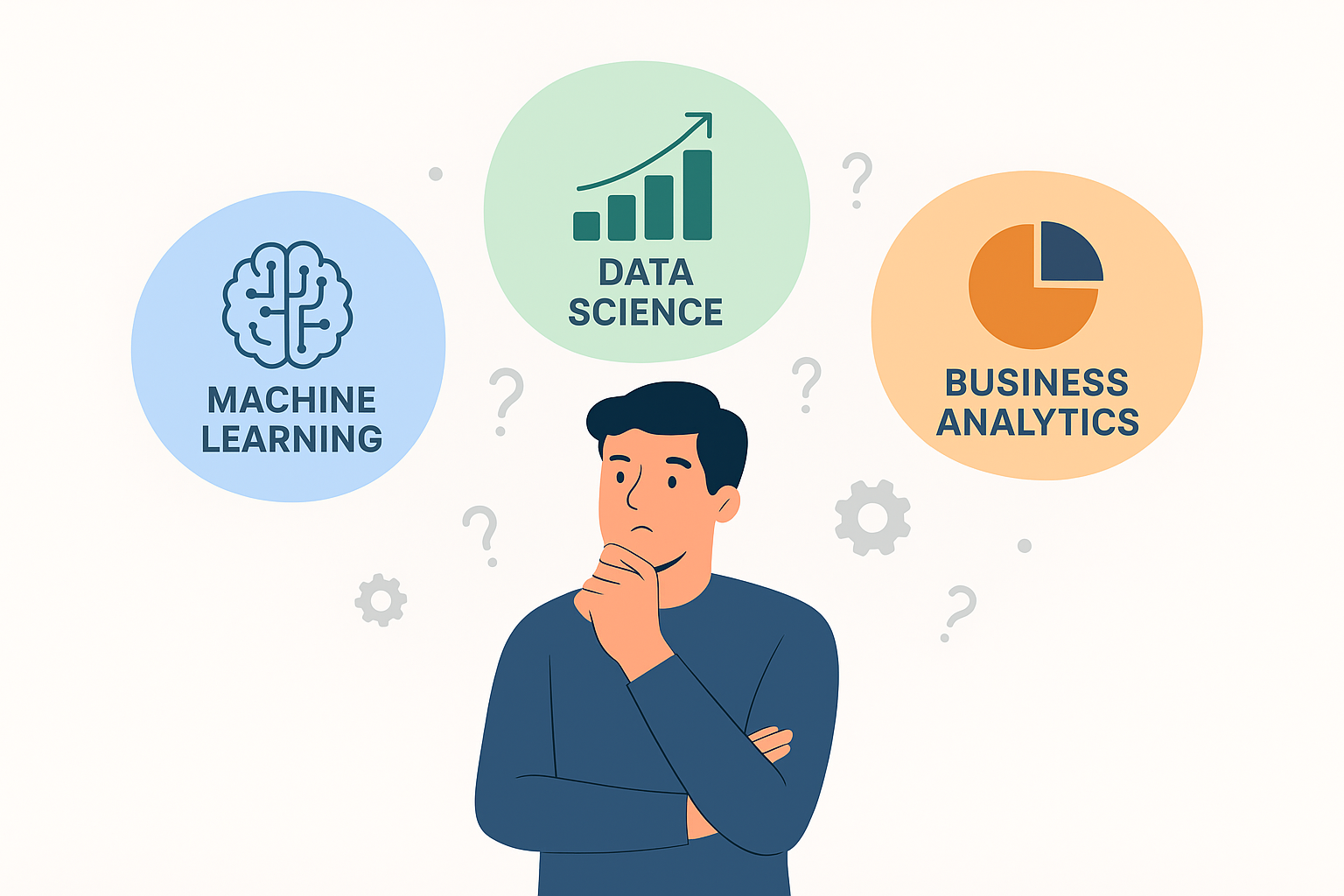
1 Introduction
The demand for data science, business analytics, and machine learning professionals has grown exponentially over the past decade (Manyika et al. 2011). As organizations increasingly rely on data-driven decision making, understanding the current job market landscape is essential for career planning.
This project analyzes the 2024 job market using Lightcast data (Lightcast 2024) to answer key questions:
- What skills are most in-demand for Data Science, Business Analytics, and ML roles?
- Which industries are hiring the most data professionals?
- How do salaries vary by location, experience, and skill requirements?
- What is the career outlook for business analytics professionals?
2 Research Rationale
The rise of artificial intelligence and automation has transformed the labor market. Data science has been called “the sexiest job of the 21st century” (Davenport and Patil 2012), and these roles have emerged as some of the most sought-after positions across industries. According to the Bureau of Labor Statistics (U.S. Bureau of Labor Statistics 2024), demand for data scientists continues to grow faster than average. Understanding which skills employers value, which regions offer the best opportunities, and how compensation varies can help job seekers make informed career decisions.
This analysis takes the perspective of a job seeker entering the data science field in 2024, examining real job posting data to identify trends and opportunities.
3 Literature Review
Recent research highlights the evolving nature of data science careers. According to industry reports and the Kaggle survey (Kaggle 2023), Python, SQL, and machine learning frameworks remain the most requested technical skills in job postings. Python has consistently ranked as the top programming language (TIOBE Index 2024), and the demand for cloud computing expertise (AWS, Azure, GCP) has also increased significantly.
Studies show that salary disparities exist across geographic regions, with tech hubs like San Francisco, Seattle, and New York offering higher compensation (LinkedIn Economic Graph 2024). However, the rise of remote work has begun to equalize opportunities for candidates outside traditional tech centers.
Business analytics roles increasingly require a blend of technical skills and domain expertise (Provost and Fawcett 2013), with employers seeking candidates who can translate data insights into actionable business recommendations.